Diet vs. Lifestyle: Understanding the Spectrum of Plant-Based Living
More Than What’s on Your Plate: Shifting from a Plant-Based Diet to a Whole-Hearted Compassionate Lifestyle

Is veganism just a menu choice, or a way of walking through the world? Explore how expanding a plant-based diet into a complete vegan lifestyle deepens your connection to health, the planet, and animal welfare.
Diet vs. Lifestyle: Understanding the Spectrum of Plant-Based Living
When people first hear the word "vegan," their minds usually jump straight to food—crisp salads, hearty grain bowls, or innovative plant-based burgers. However, as the movement grows, a crucial distinction has emerged between two paths: following a vegan diet and embracing a vegan lifestyle.
While both choices represent a meaningful step away from conventional animal agriculture, they differ fundamentally in scope, intent, and execution. Understanding these differences highlights how expanding your choices beyond the plate can magnify your positive impact on your personal health, environmental sustainability, and animal welfare.
1. The Core Distinctions
- A Vegan Diet (Plant-Based Eating): This is inherently a dietary choice. Someone following a vegan diet focuses entirely on what they consume. They exclude all animal products—such as meat, poultry, fish, dairy, eggs, and honey—from their meals. The primary motivation is often personal wellness, weight management, or athletic performance.
- A Vegan Lifestyle: This is an all-encompassing philosophical stance. A lifestyle vegan adopts the definition coined by The Vegan Society: a way of living that seeks to exclude—as far as is possible and practicable—all forms of exploitation of, and cruelty to, animals for food, clothing, or any other purpose. It extends past the kitchen into fashion, cosmetics, household products, and entertainment choices.
2. The Impact on Personal Health
The Diet Perspective: Eliminating animal fats, processed meats, and dairy can yield profound health benefits. A whole-food, plant-based diet is consistently linked to lower cholesterol, reduced blood pressure, a decreased risk of type 2 diabetes, and better weight management. However, a vegan diet can still include highly processed foods, refined sugars, and vegan junk food, which can negate some of these physiological benefits if relied on too heavily.
The Lifestyle Extension: Embracing a vegan lifestyle often enhances personal health by introducing a deeper mindfulness to everyday living. When you view your choices through a lens of holistic well-being and compassion, you naturally become more intentional about what you put both in and on your body. Lifestyle vegans often seek out clean, non-toxic, plant-based skincare and personal care items, reducing their daily exposure to synthetic chemicals, parabens, and phthalates commonly found in mainstream cosmetics.
3. The Impact on Environmental Sustainability
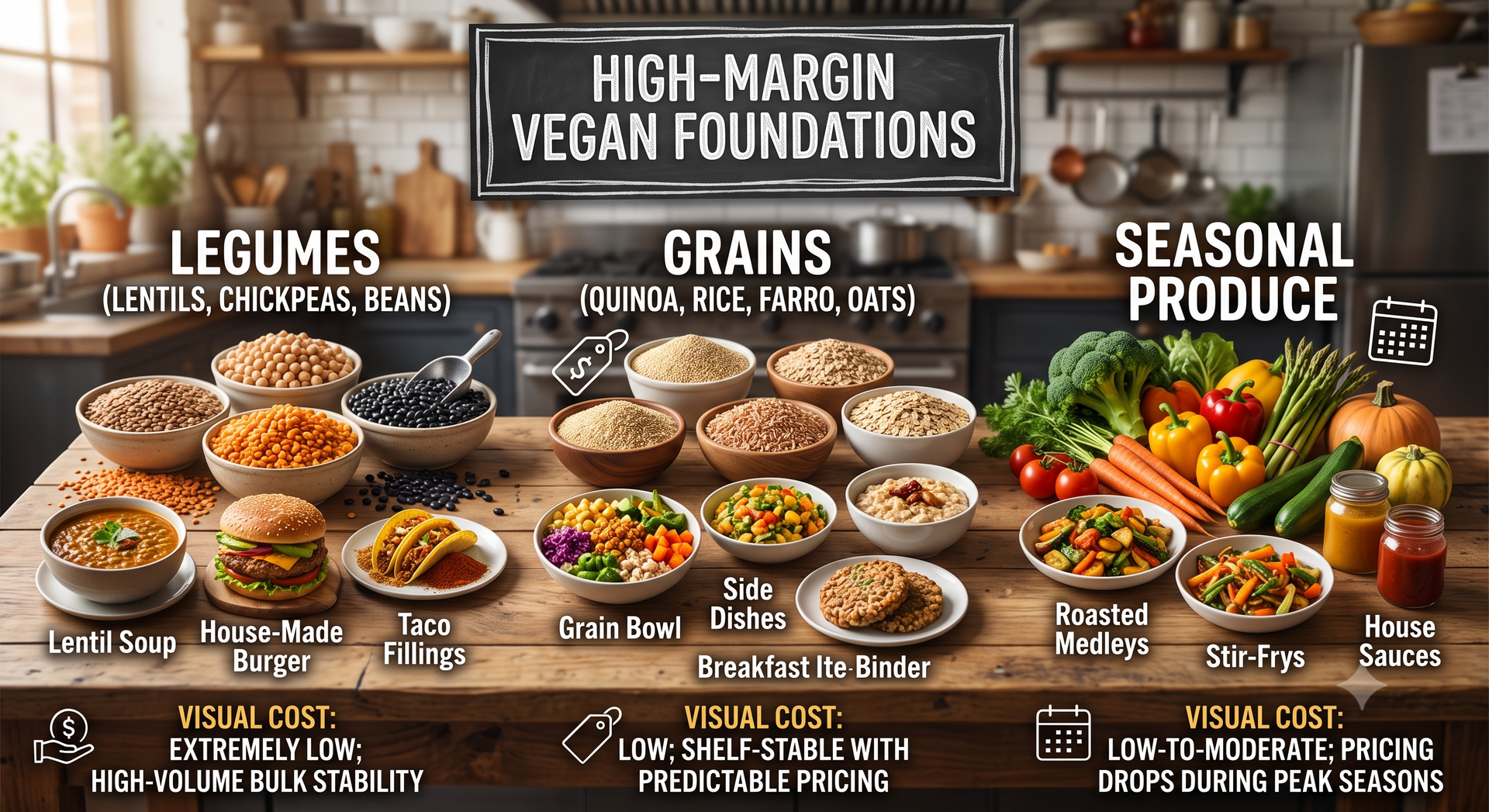
The Diet Perspective: Shifting to a plant-based diet is one of the single most effective ways an individual can reduce their environmental footprint. Animal agriculture is a leading driver of greenhouse gas emissions, deforestation, and water scarcity. By swapping animal proteins for legumes, grains, and vegetables, a plant-based eater significantly slashes their personal carbon and water footprints overnight.
The Lifestyle Extension: A lifestyle vegan takes these environmental savings much further by auditing their consumer habits as a whole. They recognize that animal-derived materials like leather, wool, and silk require highly polluting chemical tanning and processing phases that degrade local ecosystems. By opting for sustainable textiles (like organic cotton, hemp, or innovative plant-based leathers made from pineapples or cacti), and supporting cruelty-free, zero-waste household brands, lifestyle vegans actively combat consumer waste, resource depletion, and microplastic pollution.
4. The Impact on Animal Welfare
The Diet Perspective: By abstaining from meat, dairy, and eggs, someone on a vegan diet withdraws their financial support from factory farming. This choice directly reduces the market demand for animal products, sparing numerous animals from the supply chain over a lifetime. It is a powerful, passive form of animal advocacy.
The Lifestyle Extension: For a lifestyle vegan, animal welfare is the guiding North Star. The impact here is active and total. A lifestyle vegan ensures that their choices do not contribute to animal suffering in any capacity. This means:
- Wearing clothing entirely free from leather, suede, wool, silk, down feathers, and fur.
- Exclusively purchasing cosmetics and household cleaners certified as "cruelty-free" (meaning neither the final product nor its raw ingredients were tested on animals).
- Boycotting forms of entertainment that exploit animals for profit, such as circuses, marine parks, and zoos, choosing instead to support ethical wildlife sanctuaries.
Embracing Your Alignment
Whether you are currently exploring a plant-based diet for your health or feel ready to dive into a fully compassionate lifestyle, every conscious choice matters. Moving from a diet to a lifestyle isn't about achieving overnight perfection—it's about expanding your awareness and aligning your daily actions with a kinder, brighter way of existing.
By gently extending that circle of compassion from your plate out into the rest of your world, you become part of a profound collective shift toward a healthier body, a safer planet, and a more merciful world for all living beings.


Vegan Gently Blog