The Modern Restaurant Playbook: The Financial and Operational Case for Going Vegan-Friendly
The Veto Vote and Better Margins: Why Integrating Plant-Based Dishes is a Smart Business Strategy for Modern Kitchens

Operating a restaurant requires navigating a complex environment of shifting market trends. According to industry insights from Restaurant365 and the National Restaurant Association, standard independent restaurant net profit margins typically hover at a razor-thin 3% to 5%. With food and labor costs structurally elevated, owners are looking for creative ways to engineer menus for better profitability without risking guest satisfaction.
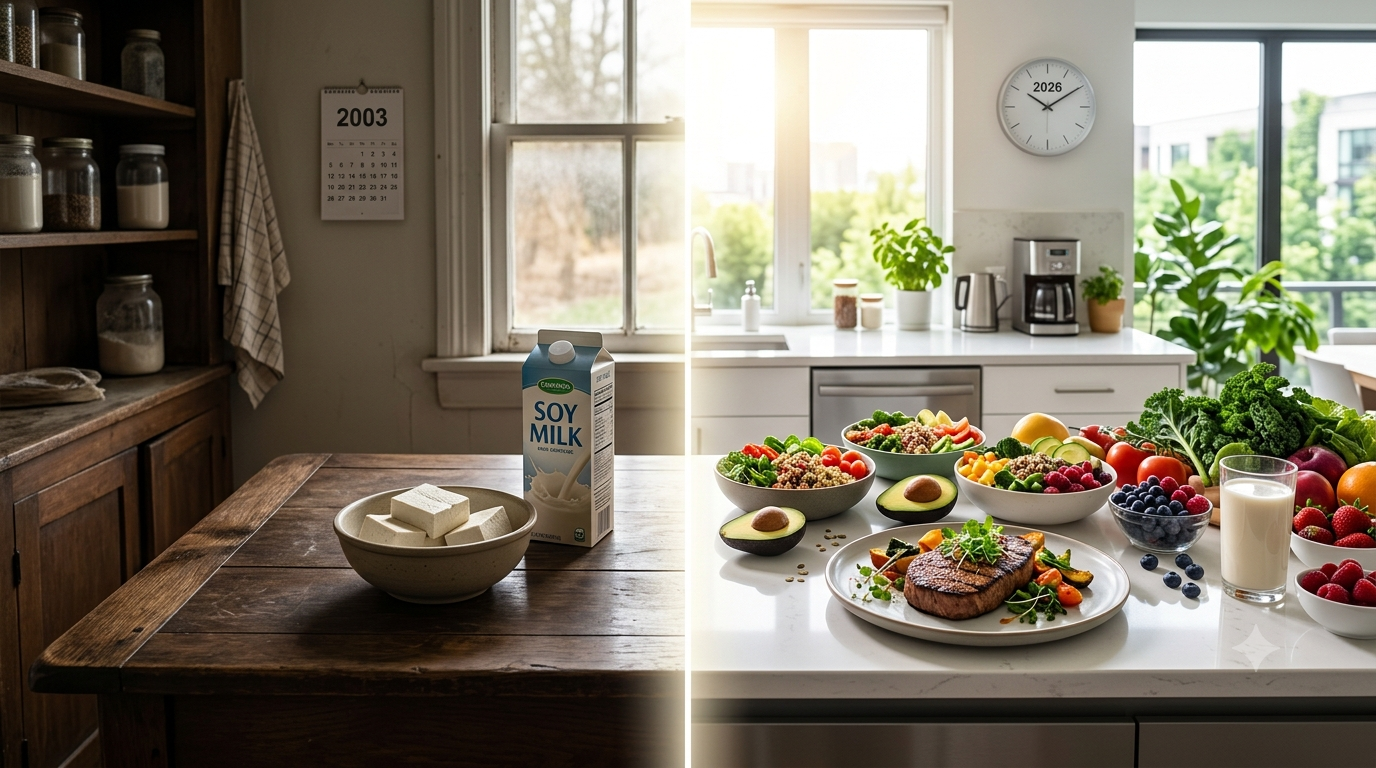
One of the most effective ways to build financial resilience while capturing new foot traffic is simple: add vegan-friendly options to your menu. Far from being a passing culinary trend, plant-based dining has cemented itself as a standard mainstream expectation. Integrating plant-based dishes offers a highly strategic way to capture new customers, boost profit margins, and streamline your kitchen operations.
1. The Power of the "Veto Vote"
You don't need a customer base made entirely of strict vegans to justify adding plant-based items. In fact, according to data compiled by The Good Food Institute (GFI), roughly 60% of U.S. households purchase plant-based foods, and a staggering 96% of households buying plant-based meat substitutes also buy animal-based meat.
The primary consumer driving this change is the "flexitarian"—someone intentionally cutting back on meat and dairy for health, sustainability, or novelty.
More importantly, ignoring this demographic introduces the risk of the veto vote. When a group of friends, family members, or co-workers decides where to eat, the entire group will routinely bypass a restaurant if it lacks a single viable option for the one vegan or vegetarian in the party. By adding even two or three high-quality vegan dishes, you secure the bookings for the entire table.
2. The Cost Advantage: Better Margins on the Plate
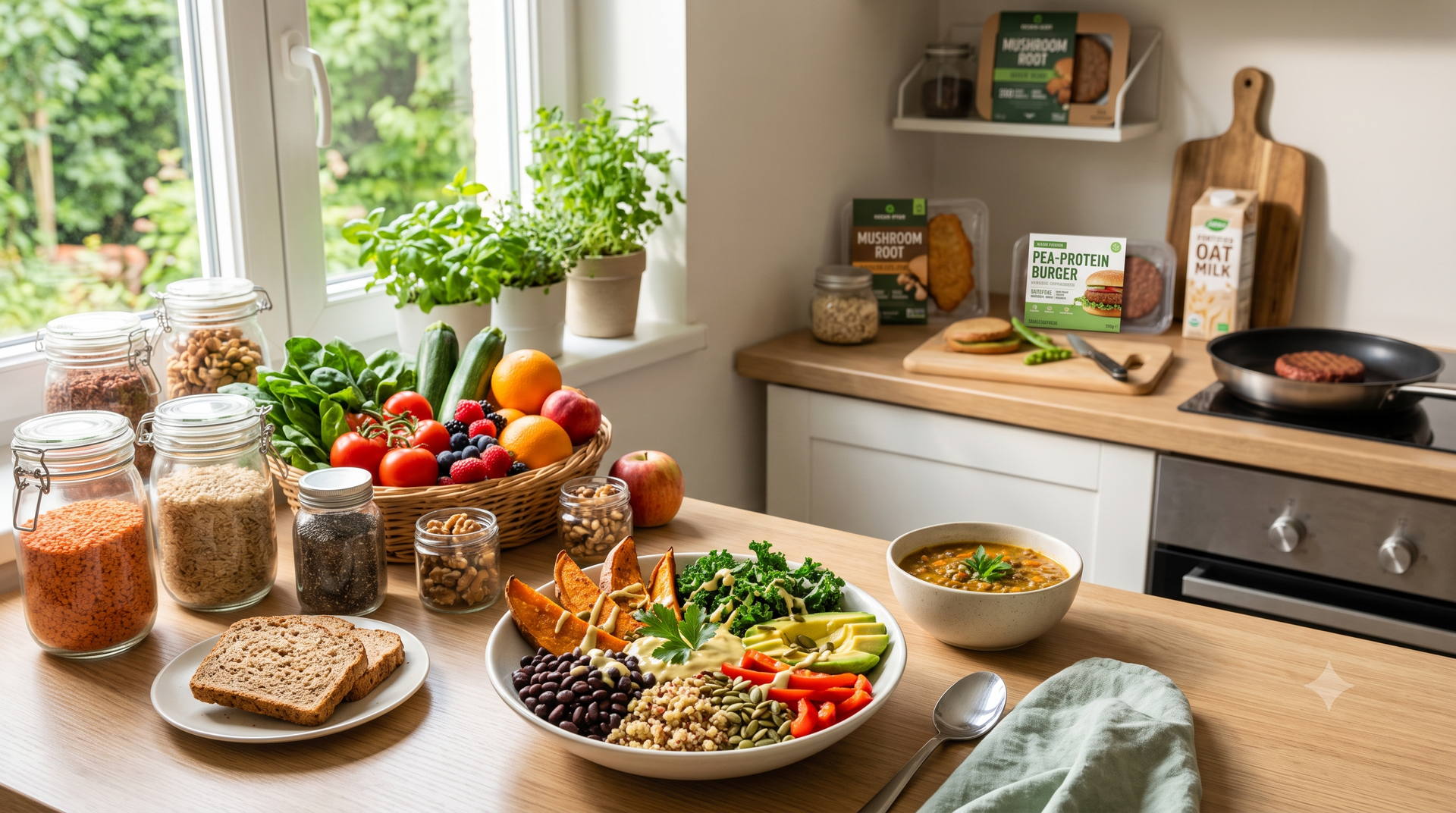
While premium meat analogs (like commercial faux-protein burgers) can carry a price tag 60% to 70% higher than conventional meat wholesale, the real margin magic happens when a kitchen focuses on whole-food, plant-based cooking.
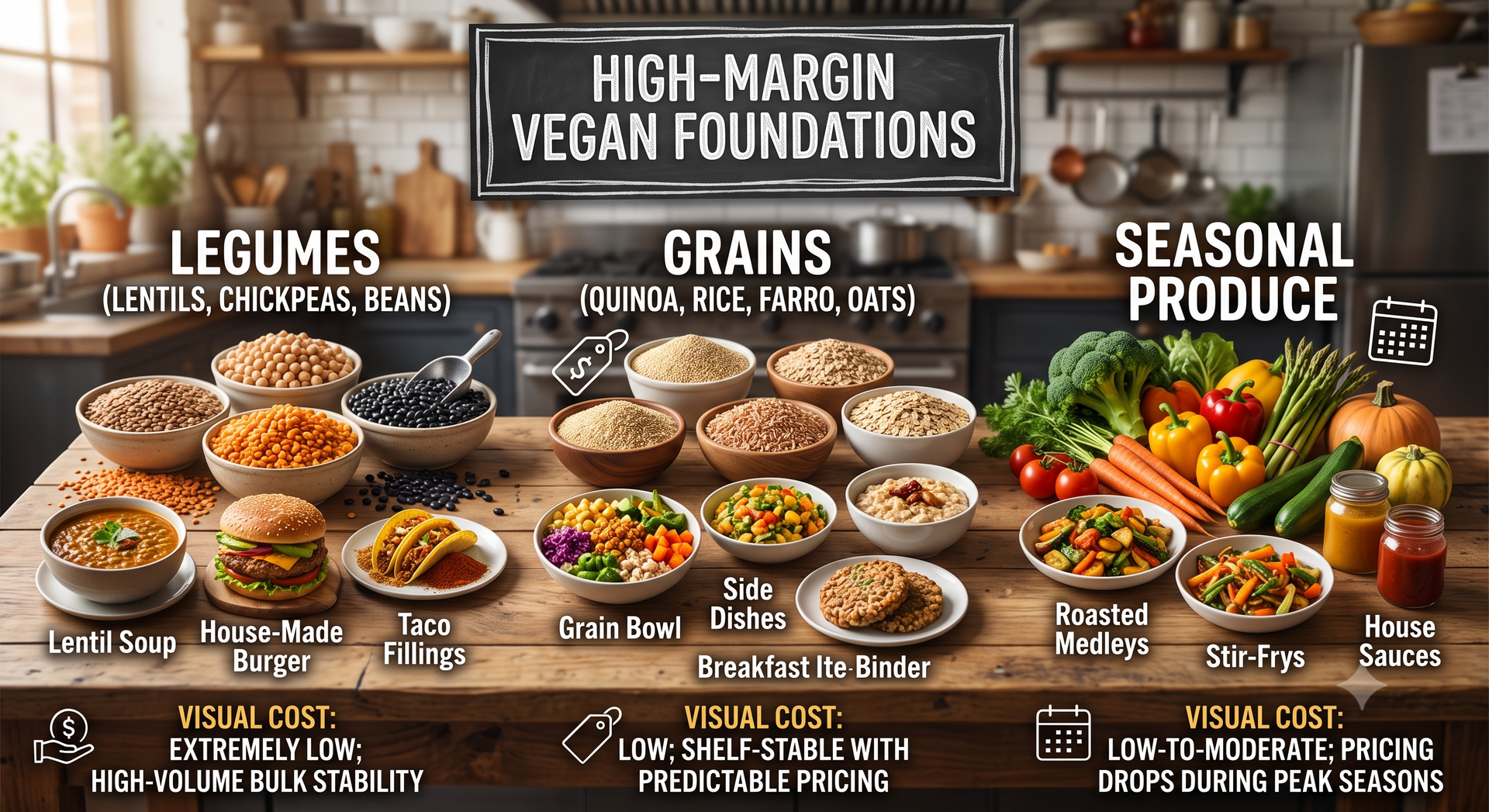
While the cost of conventional animal proteins fluctuates wildly due to supply chain shocks and inflation, dry goods like legumes, grains, and root vegetables remain highly affordable and shelf-stable. Building an exquisite roasted cauliflower steak or a savory Mediterranean chickpea bowl allows you to price the dish at a standard premium entree rate while maintaining a significantly lower Cost of Goods Sold (COGS). This directly protects and improves your overall net profit margin.
3. Low Operational Effort: Cross-Utilization is Key
Restaurant owners often worry that adding vegan dishes means overhauling the kitchen, buying dedicated equipment, or managing extensive new inventory that risks spoiling. However, integrating successful vegan options requires minimal effort if you use cross-utilization:
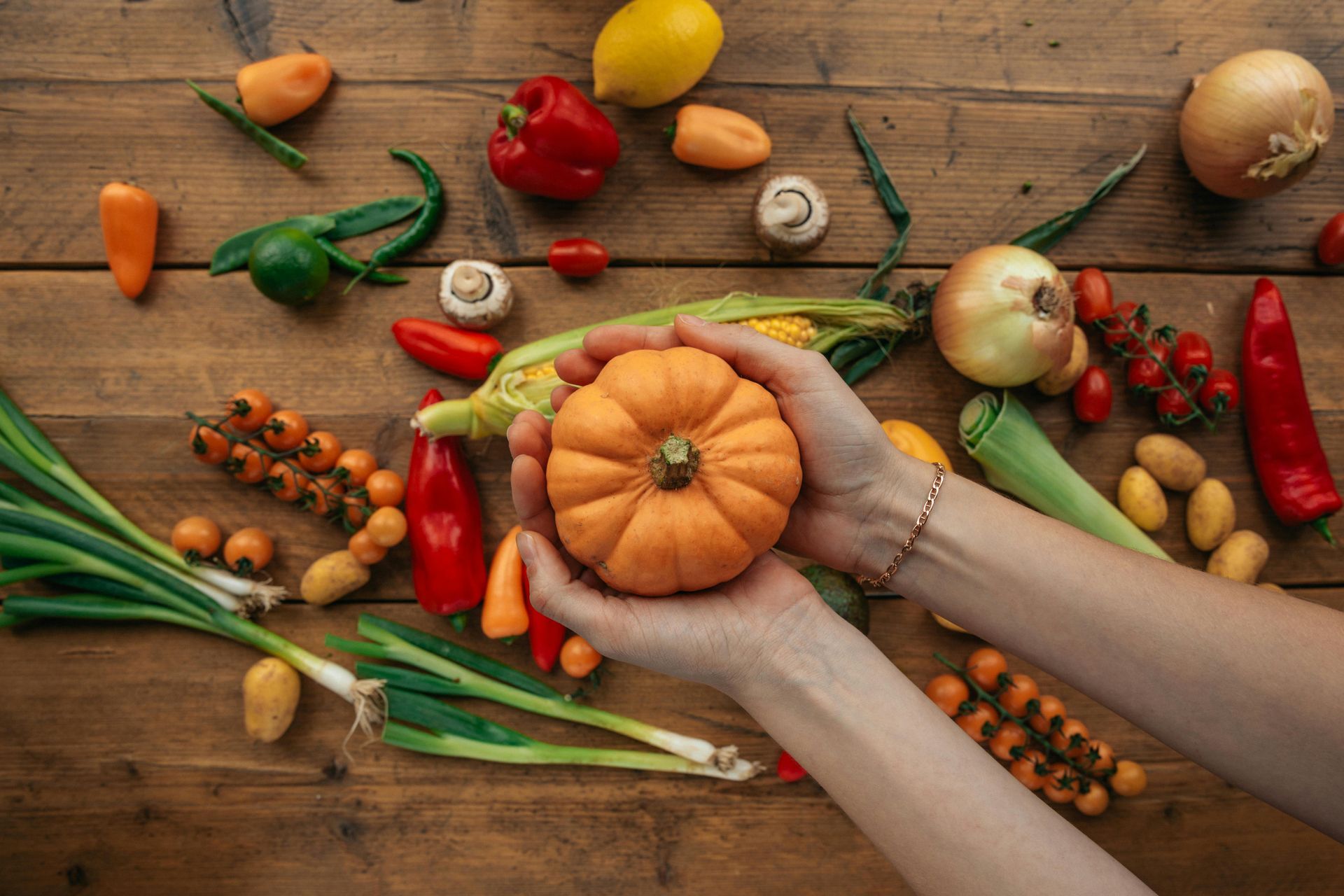
- Audit Existing Staples: Take a look at your current inventory. Ingredients like avocados, mushrooms, nuts, rice, and fresh herbs are already in your kitchen.
- The "Accidentally Vegan" Base: Ensure your standard marinara, vegetable stocks, and fry batters are naturally free of dairy or eggs. This gives you an instant baseline to construct dishes without buying niche alternatives.
- Smart Swaps: Instead of managing unique vegan dishes, create items where a simple modification makes it vegan. For example, a house-made veggie burger can serve as an excellent vegan option if served on an artisan sourdough or white bun rather than a brioche bun, paired with an oil-based house sauce instead of mayo.
By standardizing portion sizes and batch-cooking versatile components (like a house tahini dressing or pre-cooked quinoa), your line cooks can assemble plant-based dishes just as quickly as conventional entrees during peak hours.
Secure Your Spot at the Table
Engineering a modern menu is about playing smart defense against rising operational costs while playing offense to capture every possible diner. Adding thoughtful, delicious, and naturally cost-effective vegan options does both. It transforms your restaurant into an inclusive destination, slashes your average food cost percentage, and proves to your community that your kitchen is forward-thinking, adaptable, and ready for the future of food.


Vegan Gently Blog