The Nutritional Reality of Modern Plant-Based Eating
Beyond the Label: Navigating the Evolution of Plant-Based Analogues and Unlocking the True Vitality of a Whole-Food Vegan Diet
Choosing a plant-based diet is a powerful step for longevity and energy, but are processed vegan substitutes quietly working against your wellness goals? Discover how to spot hidden nutritional traps, learn how the food tech industry is cleaning up its act, and get actionable tips to optimize your plant-powered plates.
The explosive growth of the plant-based food sector has made dropping animal products from your diet incredibly convenient. However, this mainstream expansion has brought a hidden paradox: the rise of the ultra-processed "vegan analogue." Walking down the grocery aisle reveals a dizzying array of plant-based meats, cheeses, and frozen entrees. While these products are highly effective stepping stones for transition or occasional indulgences, assuming a food is healthy simply because it wears a "100% Vegan" label can be a major nutritional misstep.
To experience the authentic, vibrant health benefits of veganism, it is essential to understand the structural differences between processed substitutes and whole foods, and learn how to optimize your daily nutrition.
The Analogue Trap: Why Fake Isn't Always Fitter
Many first-generation vegan alternatives were engineered with a single goal in mind: mimicking the exact taste, chew, and melt of conventional meat and dairy. To achieve this sensory replication, manufacturers frequently turned to heavy industrial processing and isolated ingredients. When compared directly to their non-vegan counterparts, some of these analogues can fall short nutritionally:
- The Sodium Spike: Processed vegan meats and frozen meals often use high amounts of sodium as a flavor enhancer and preservative. A single plant-based burger patty can sometimes contain up to double the sodium of an unseasoned beef patty.
- Saturated Fat Subversions: To mimic the mouthfeel of dairy cheese or the juiciness of animal fat, brands heavily rely on highly refined tropical oils, such as coconut oil and palm oil. These oils are exceptionally high in saturated fats, meaning a vegan cheese alternative might have a similar heart-health profile to conventional dairy cheese, while offering virtually zero protein or micronutrients.
- The Protein Deficit: While alternative meats generally match or exceed the protein content of animal meat, alternative cheeses and milks (like standard almond or oat milks) often contain only a fraction of the protein found in dairy, leaving a nutritional gap if they are used as a direct one-for-one replacement.
Industry Evolution: The Clean-Label Revolution
The plant-based industry is actively listening to health-conscious consumers. Market insights indicate a distinct shift away from highly synthetic "imitation" foods toward authentic plant nutrition. The industry is actively cleaning up its act to deliver products that are both sustainable and genuinely nutritious.
1. The Rise of Whole-Food Bases
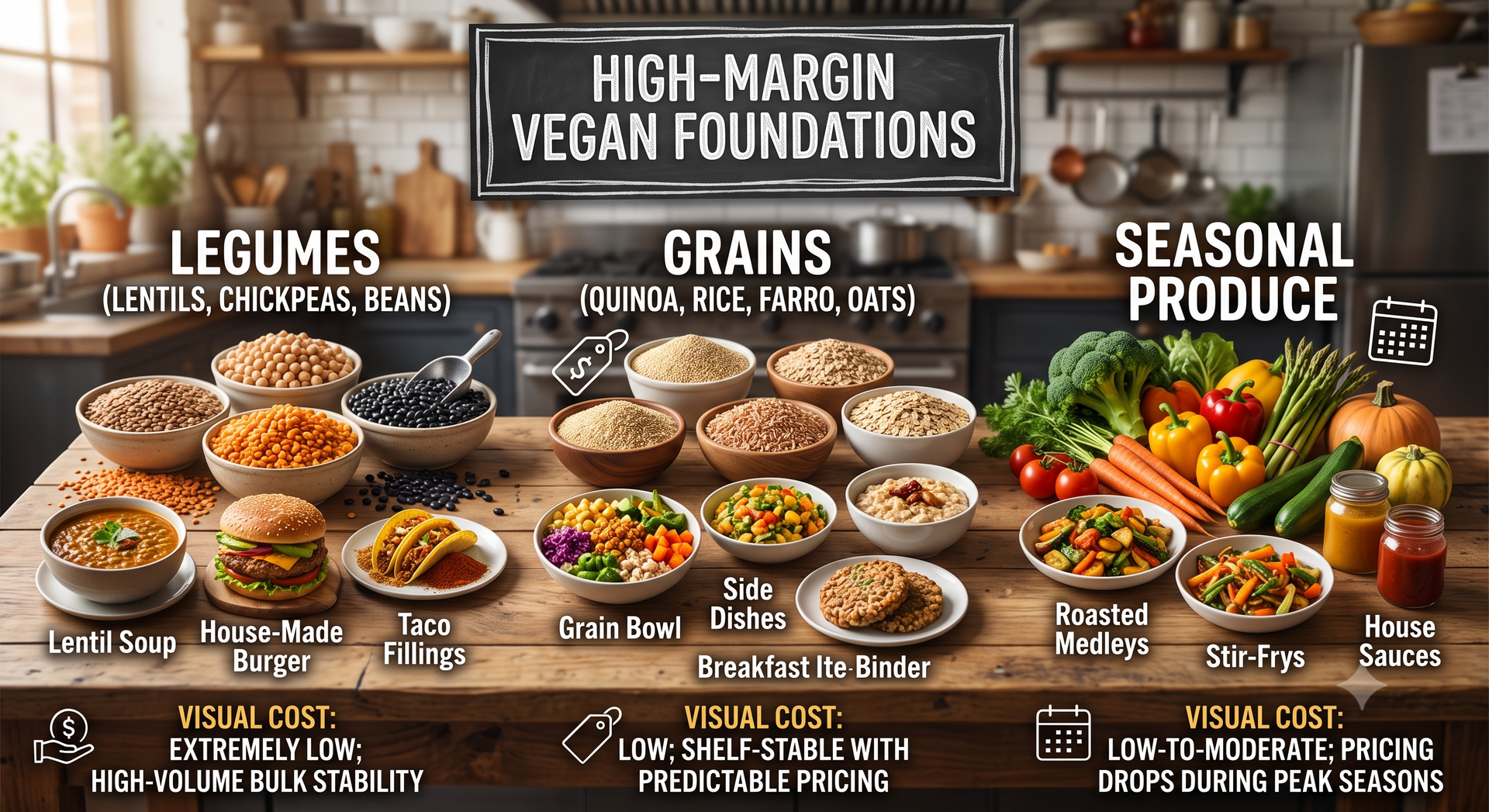
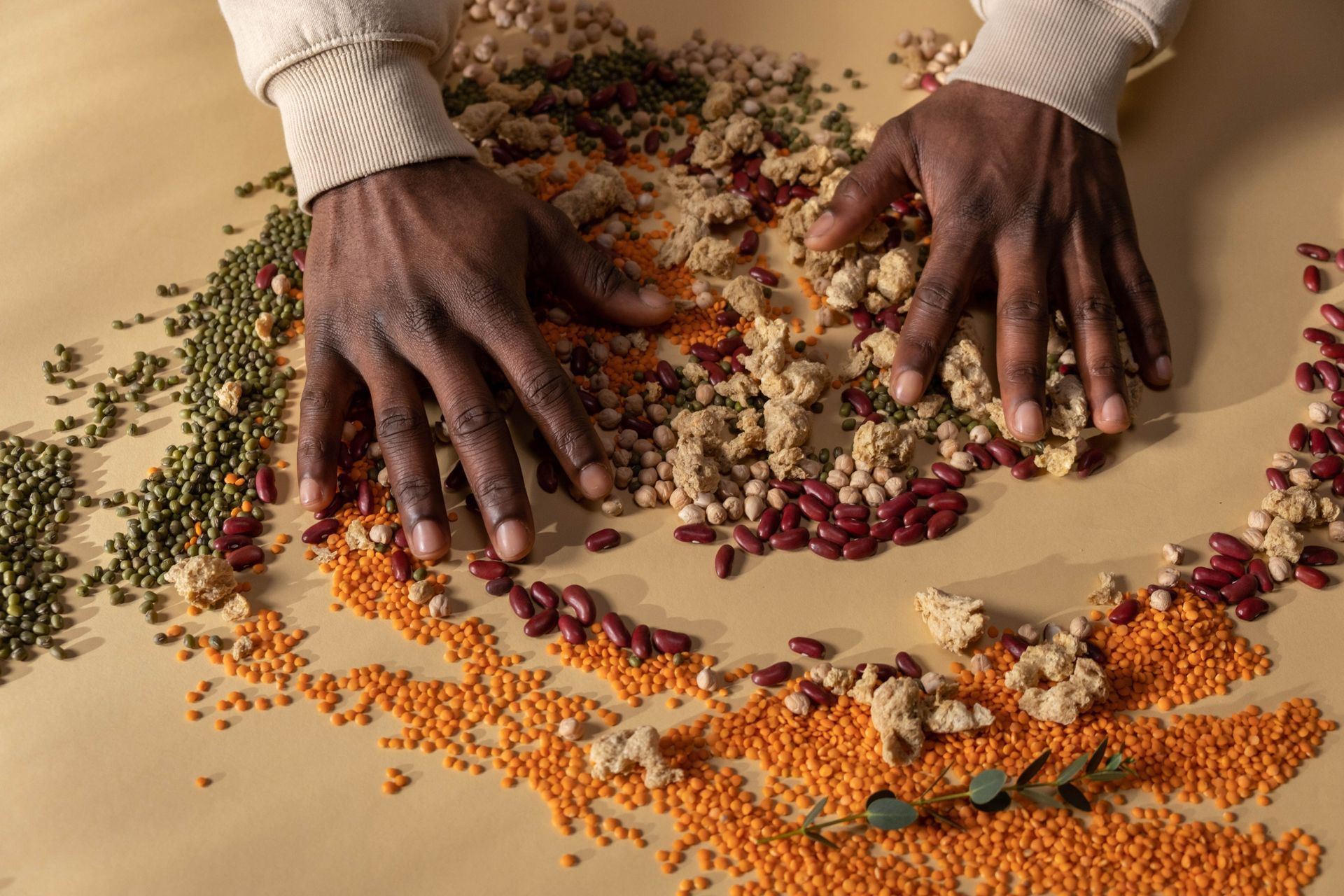
Instead of relying strictly on isolated soy or wheat gluten, next-generation formulations are prioritizing whole-food protein sources. Ingredients like lentils, chickpeas, fava beans, and edamame are being used to form the bulk of new products, keeping natural fiber and micronutrients intact.
2. Mycelium and Fermentation
Fungi-based proteins, or mycelium, have emerged as a massive game-changer. Brands like Meati utilize whole-food mushroom root structures grown via natural fermentation. This method yields a complete protein containing all nine essential amino acids, boasting high digestibility while naturally providing up to 25% of your daily fiber needs in a single cutlet, completely free of heavy binders or texturizers.
3. Saturated Fat and Sodium Reductions
Major brands are actively reformulating their flagship products. For instance, recent product rollouts from companies like Beyond Meat and Redefine Meat have significantly cut saturated fat, often by utilizing heart-healthy monounsaturated oils like avocado or olive oil—while simultaneously lowering sodium content to achieve nutritional parity or superiority over conventional meat.
Actionable Tips to Optimize Your Plant-Based Nutrition
To bypass the junk food trap and ensure your body is receiving optimal, clean fuel, integrate these daily nutritional habits into your routine:
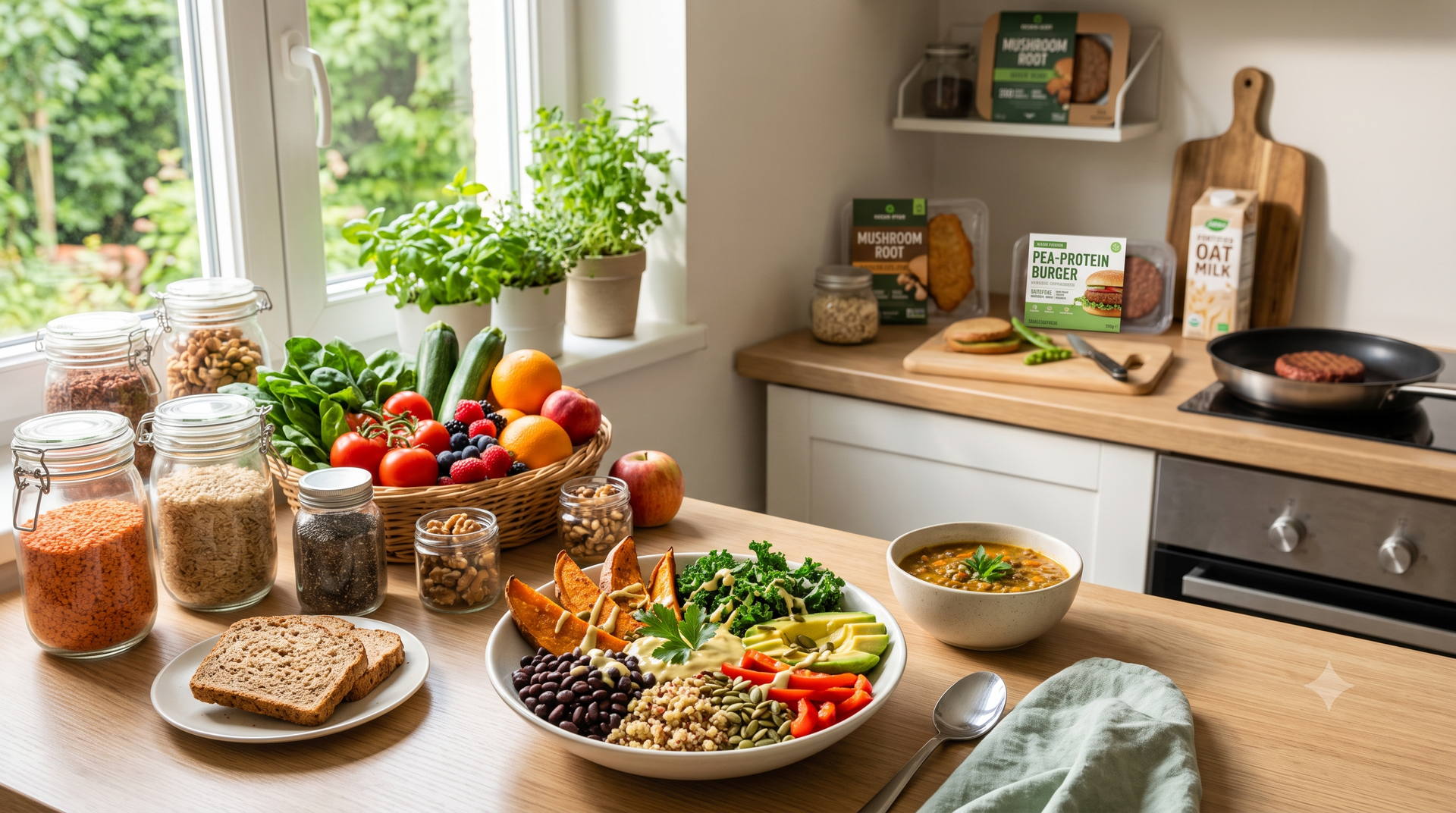
- Embrace the 80/20 Rule: Let whole, unrefined plants make up at least 80% of your dietary intake. Treat processed mock meats and cheeses as an enjoyable 20% addition for convenience, BBQs, or busy weeknights rather than daily staples.
- Prioritize Whole-Food Proteins: Build your meals around protein sources that come packaged with fiber and antioxidants. Think black beans, red lentils, organic tofu, tempeh, green peas, and pumpkin seeds.
- Master Nutrient Pairing for Iron Absorption: Plant-based iron (non-heme iron) is less readily absorbed by the body than animal-sourced iron. To optimize absorption, always pair iron-rich foods (like spinach, lentils, and quinoa) with a source of Vitamin C (such as a squeeze of fresh lemon juice, bell peppers, or strawberries). Avoid drinking coffee or tea with your meals, as the tannins can inhibit iron intake.
- Secure Your Healthy Fats: Skip the heavy coconut-oil cheeses and get your dietary fats from whole sources. Incorporate avocados, walnuts, chia seeds, flaxseeds, and hemp hearts into your meals. These provide essential Omega-3 fatty acids that support brain health and lower systemic inflammation.
- Mind Your Micronutrients: No matter how clean your whole-food diet is, certain nutrients require deliberate attention. Ensure you are taking a reliable Vitamin B12 supplement (as it is not reliably found in plant foods). Additionally, consider supplementing with Vitamin D3 and a microalgae-based Omega-3 (EPA/DHA) capsule to keep your baseline health perfectly optimized.
By anchoring your kitchen in the abundant power of whole foods and choosing your convenience items mindfully, you can effortlessly enjoy a vegan diet that truly revitalizes your body from the inside out!


Vegan Gently Blog