Two Decades of Transformation: The Evolution of Vegan Living
The Plant-Based Revolution: How Veganism Evolved from a Niche Subculture into a Global Mainstream Movement

Twenty years ago, choosing a vegan lifestyle required a massive amount of counter-cultural determination. In the early 2000s, grocery store options were scarce, societal attitudes were often deeply skeptical, and nutritional science regarding plant-based diets was largely misunderstood by the mainstream public.
Fast forward to today, and the plant-based landscape has undergone a monumental shift. What was once dismissed as a fringe dietary fad has matured into a sophisticated, multi-billion-dollar global movement spanning high-tech culinary innovation, rigorous environmental science, medical validation, and widespread cultural acceptance. Here is a look at how the vegan landscape has completely transformed over the past 20 years.
1. The Food Revolution: From Bland Blocks to Culinary High-Tech
Two decades ago, the standard vegan meat alternatives were dry veggie burgers made of compressed beans and corn, or unseasoned blocks of dense tofu. Plant-based milk was almost exclusively limited to chalky soy milk hidden in the back of natural health food stores.
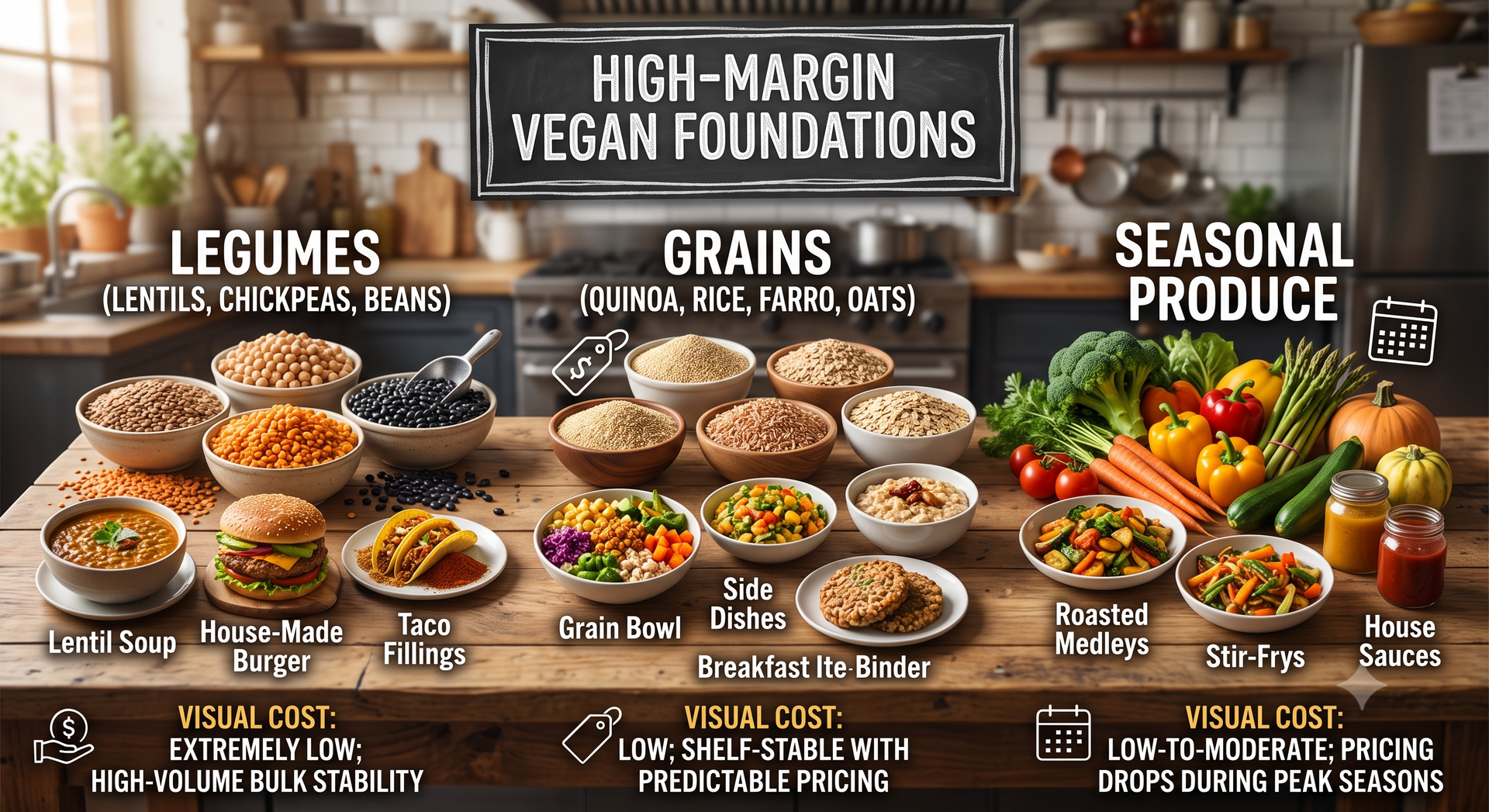
Today, the culinary world has experienced a total plant-based renaissance. The introduction of cellular agriculture, precision fermentation, and advanced food texturization has birthed products that effortlessly mimic the taste, texture, and sizzle of animal proteins. Brands utilize whole-food bases like fava beans, lentils, and nutrient-dense pea proteins to match the chew of conventional meat.
Furthermore, the introduction of mycelium (mushroom root structures) has allowed companies to recreate whole muscle cuts—like chicken breasts and steaks—using natural fermentation. This clean-label revolution delivers all nine essential amino acids and natural fiber without heavy processed binders. Meanwhile, supermarket shelves are packed with an abundant variety of creamy oat, almond, cashew, and coconut milks, alongside artisanal vegan cheeses that melt and stretch just like their dairy counterparts.
2. Advances in Science and Health: The Medical Validation
In the early 2000s, mainstream medical advice regarding veganism was heavily rooted in caution, with critics loudly questioning whether a plant-based diet could provide adequate protein, iron, or calcium.
Over the last 20 years, an avalanche of rigorous, long-term epidemiological studies has fundamentally flipped that narrative. Major public health institutions—including the Academy of Nutrition and Dietetics—have officially stated that appropriately planned vegan diets are healthful, nutritionally adequate, and provide health benefits for the prevention and treatment of certain diseases.
Today, data heavily links whole-food, plant-based diets to a significantly lower risk of chronic conditions, including type 2 diabetes, high blood pressure, heart disease, and certain cancers. Rather than viewing veganism as a deficiency risk, modern preventative medicine increasingly prescribes a plant-centric plate as an optimal framework for longevity, reducing systemic inflammation, and improving cardiovascular health.
3. Shifting Attitudes and the Power of the "Flexitarian"
Perhaps the most visible change over the past two decades is how the general public views plant-based eating. Twenty years ago, telling a waiter or a family member you were vegan often invited confusion, defensive debates, or social alienation. Veganism was viewed through a rigid, all-or-nothing lens.
Today, host hostility has dissolved into enthusiastic curiosity, driven primarily by the rise of the "flexitarian." Modern data indicates that the vast majority of consumers driving the plant-based boom are actually omnivores intentionally cutting back on meat and dairy for their health and the environment.
This shift has eliminated the pressure of rigid categorization. Because mainstream consumers are actively embracing "Meatless Mondays" or choosing plant-based milks simply because they prefer the taste, the social stigma surrounding veganism has largely vanished. It is no longer viewed as an restrictive identity, but rather as an open, accessible spectrum of conscious consumerism.
4. Cultural Mainstream Integration and Fast-Food Accessibility
Two decades ago, veganism was completely absent from mainstream media and pop culture, reserved for niche activist circles. Today, it is deeply embedded in the cultural fabric. Elite athletes—from champion tennis stars to ultra-marathoners and professional bodybuilders—openly credit their peak athletic performance to plant-based nutrition, dismantling the old myth that physical strength requires animal protein.
This cultural shift has forced the food service industry to adapt rapidly. Major fast-food chains, corporate cafeterias, and fine-dining restaurants alike now feature dedicated, high-quality vegan options as a standard business practice to avoid losing group bookings to the "veto vote." Plant-based eating has evolved from a hard-to-manage lifestyle into an effortless everyday convenience, available at drive-thrus and high-end bistros globally.
5. Animal Rights and Global Ethics: A Wider Circle of Compassion
Twenty years ago, animal rights advocacy was heavily defined by confrontational, shock-value activism that frequently relied on graphic, distressing imagery to grab headlines. While born out of a desire to expose cruelty, this model often built defensive psychological walls between advocates and the public.
Over the last two decades, the ethical landscape has shifted beautifully toward "Attractivism"—a gentler, more reasonable approach to advocacy. Modern advocates realize that people are more profoundly moved by a joyful, healthy demonstration of a compassionate lifestyle than they are by condemnation or shame.
Furthermore, our collective understanding of animal welfare has expanded far beyond the plate. The modern vegan lifestyle has successfully pushed cruelty-free ethics into the mainstream fashion, beauty, and entertainment industries. Major global luxury fashion houses have officially banned fur and exotic skins, swapping them for sustainable plant-based leathers made from pineapples, apples, or cacti. The cosmetics industry has seen a massive "clean-label" shift, with consumers demanding third-party cruelty-free certifications to ensure no raw ingredients are tested on animals.
Looking Forward
The past 20 years have proven that the vegan movement is not a temporary trend, but a permanent structural shift in how humanity relates to food, health, and the planet. By transitioning from a rigid dietary subculture into a welcoming, tech-driven lifestyle of positive attraction, veganism has laid down a solid foundation. As science, sustainability, and compassion continue to align, the next 20 years promise an even brighter, kinder, and healthier evolution for our global community.


Vegan Gently Blog